Preparing the subfloor for flooring: stages of the work
Here is a step-by-step guide to preparing the subfloor for engineered wood or vinyl flooring. The quality of the subfloor decides how trouble-free the floor will be in use and how happy you will be with it in the end.
A suitable subfloor is one of the main conditions of the manufacturer's warranty on a floor covering. So do make sure your subfloor meets all the requirements described in the article “How to prepare the subfloor for engineered wood flooring”.
Stages of subfloor preparation
- Sanding
- Vacuuming
- Primer
- If you are gluing the floor down, primer improves the bond between the adhesive and the subfloor, so the fixing is stronger.
- If the subfloor is weak. Scratch it with a nail, for example: if it crumbles, it needs to be strengthened with a special primer. Otherwise the subfloor may fail under load and break up after the floor covering is laid.
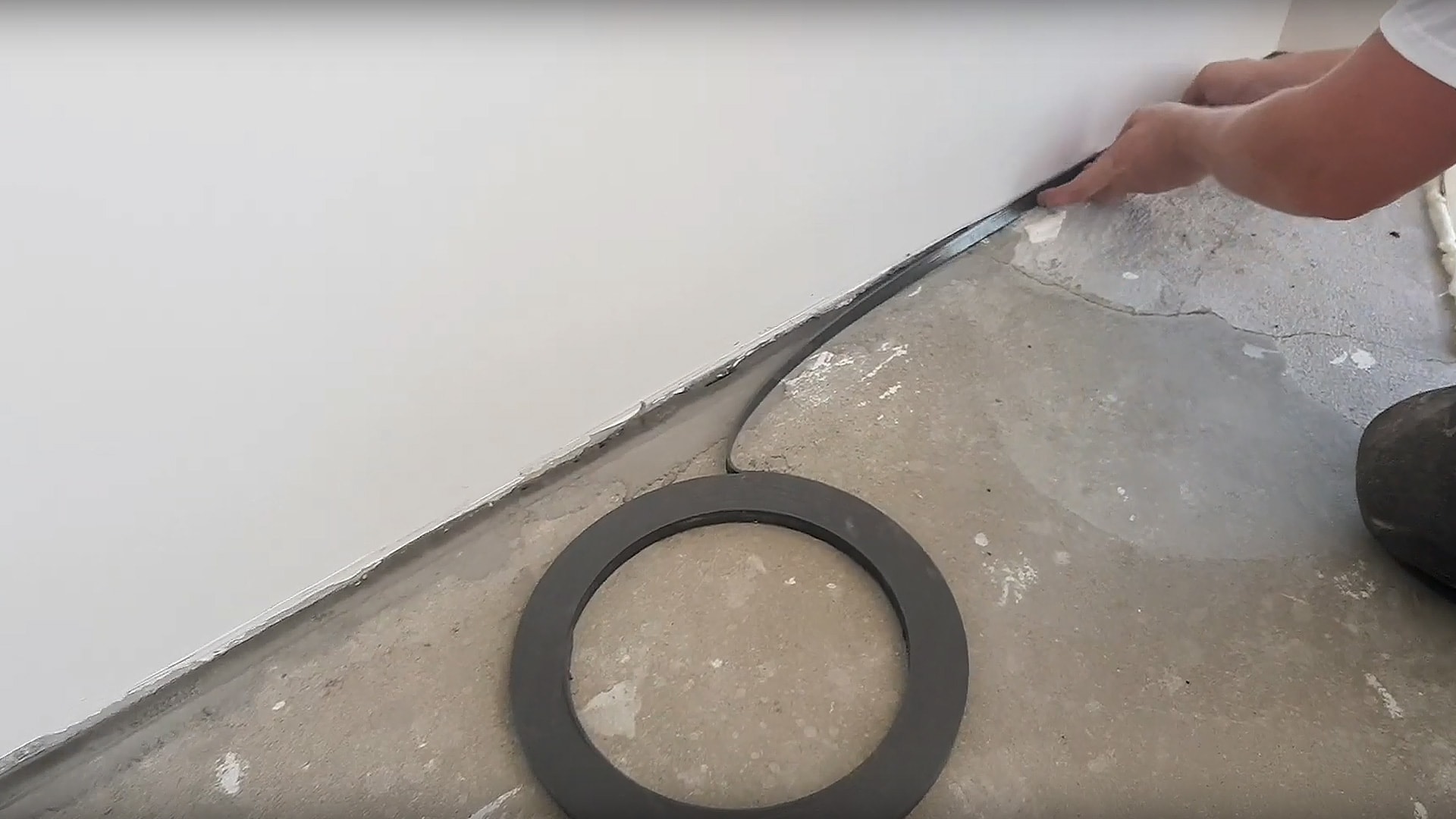
- Perimeter expansion strip
- Levelling compound
- To make the subfloor perfectly level.
- To “raise” the subfloor where floor coverings of different heights meet. The levelling compound is poured under the thinner one so that the floors end up at the same height.
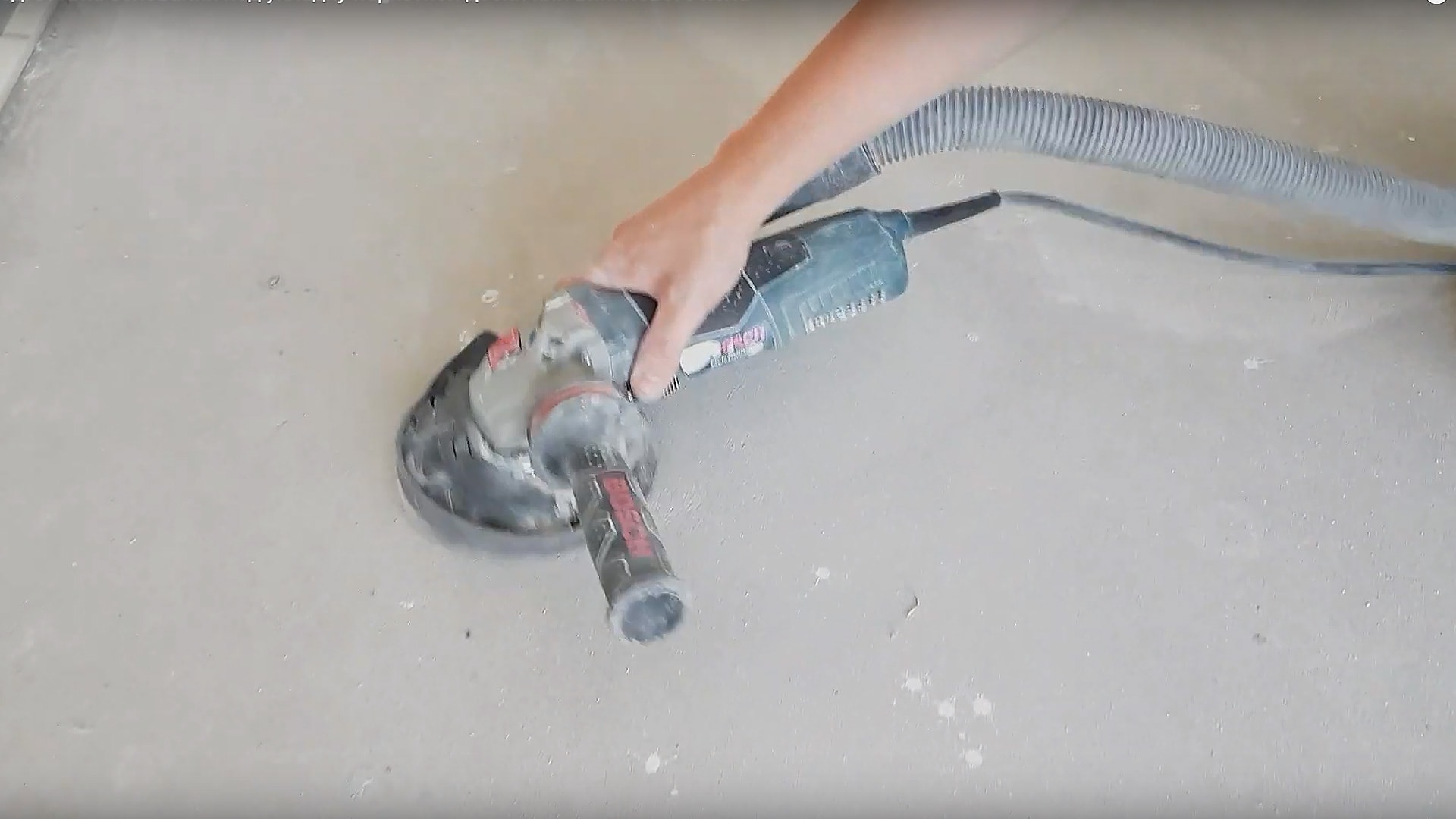
Sanding removes small irregularities, bumps and old filler. You can use a single-disc machine or, in a small room, an angle grinder. Remember that any machine can be connected to a vacuum cleaner so that dust is removed straight away.
After sanding, vacuum the surface thoroughly once more so that the subfloor is genuinely clean.
Why is it needed?
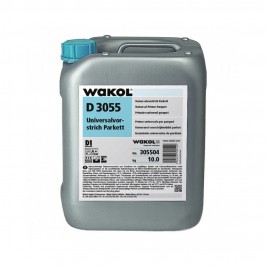
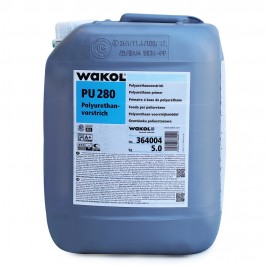
Which primer to choose? Choose the one recommended by the manufacturer of the levelling compound or adhesive you will use afterwards. For a solid subfloor, use a universal primer, for example Wakol D 3055. To strengthen a weak subfloor and to seal residual moisture, a special primer is suitable, for example Wakol PU 280. For parquet and vinyl we recommend products from one system: parquet adhesives and primers WAKOL, and for LVT and PVC – vinyl flooring adhesives.
Always used before pouring the levelling compound. The strip is fixed around the perimeter of the room. It keeps the levelling layer from touching the walls, so impact noise is not transmitted from the floor into the walls, which improves the acoustics of the room.
Why is it needed?
Levelling compounds are gypsum-based or cement-based. Gypsum-based ones must not be used in damp rooms.
Once the levelling compound has dried, the floor covering can be laid floating on an underlay or glued down. Which is better is explained in our article “Laying engineered wood flooring: glue down or lay on an underlay?”.
! If any building work was carried out in the room after the levelling compound was poured, the subfloor has to be vacuumed and primed again.
That is all for now. The result is a level, dry, solid and clean subfloor, ready for laying.